Showing posts with label history. Show all posts

Sunday, 26 August 2012

BATTLE


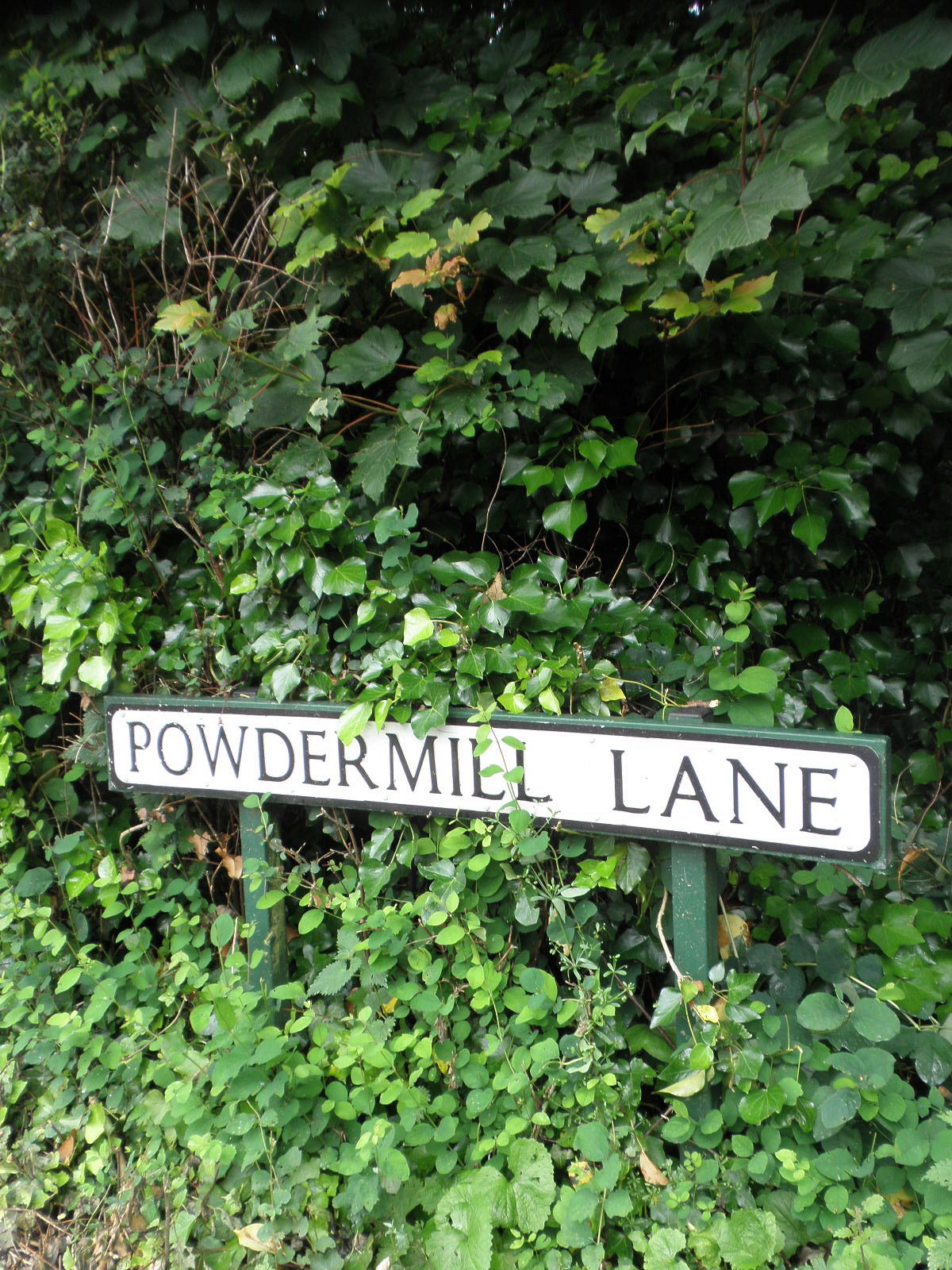
The final destination in my triumvirate of delightful East Sussexness was the quaint village of Battle. Keane fans will of course recognise the above lanes name checked on Strangeland, the album Mr Tim Rice-Oxley titled after reading Tracey Emin's biography of the same name detailing her formative years growing up in the decaying seaside town of Margate. Word around the campfire suggests Mr Rice-Oxley senior was the local doctor in the village of Battle, now retired and no doubt living in English countryside splendour.

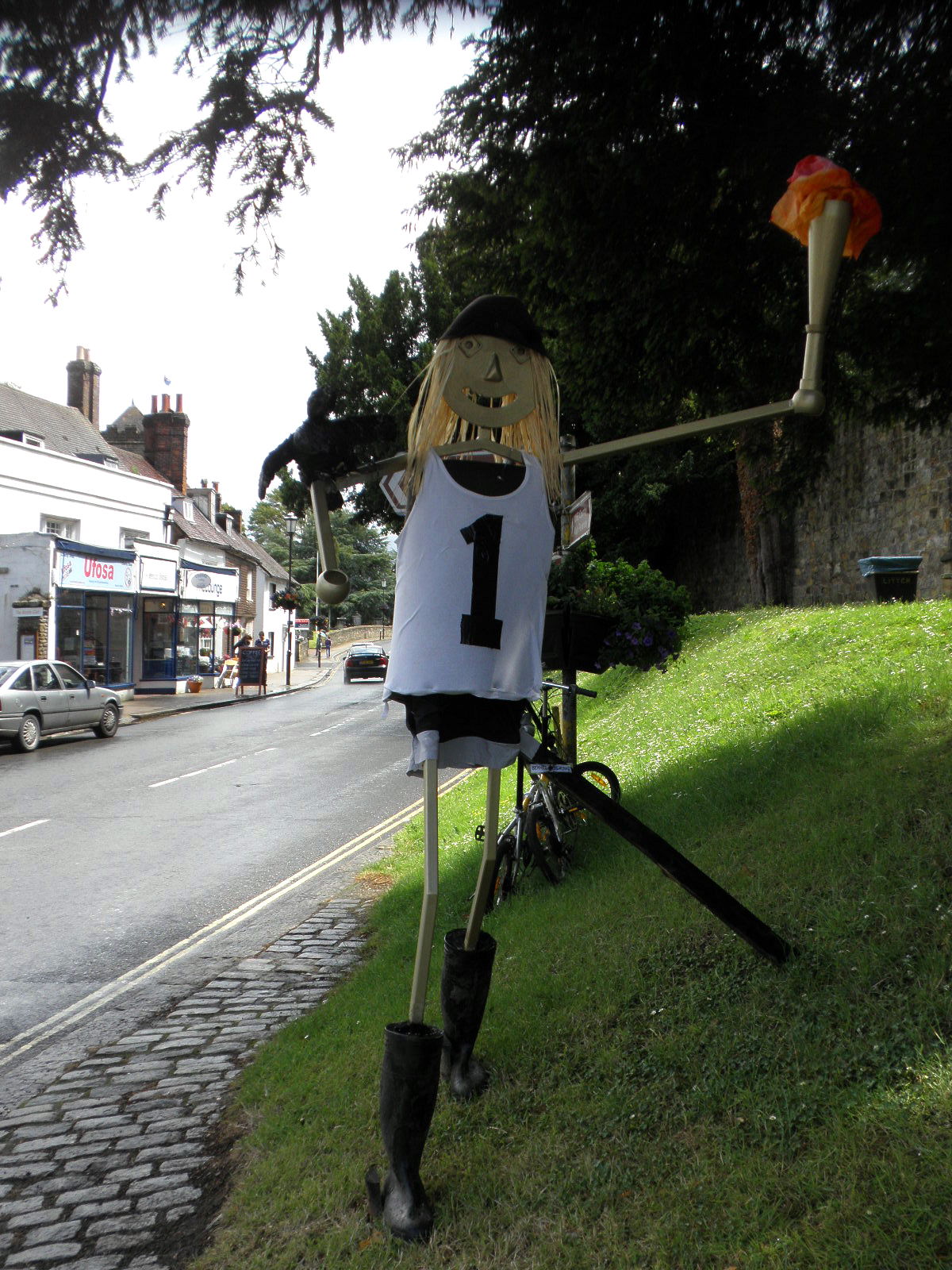
Battle itself was a stereotypically lovely English village, lined with pretty shops, friendly local people and idiosyncratic little scarecrow-installations celebrating British Olympic pride along the high street (below). When the sunny days seem to last forever in the summertime, a place like Battle, surrounded by incredible ancient architecture and the beautiful rolling hills of the South Downs really is one of the most idyllic places on earth. Virginia Woolf, Rudyard Kipling and Jane Austen to name a few have all resided in or written of the area's intoxicating ambience.


The main attraction in Battle and the village's namesake is of course it's famous 1066 battle grounds. Duke William of Normandy came, saw and conquered King Harold's English army on 14th October 1066 on these grounds, the Anglo-Saxons already spent, though victorious after defeating the Norwegian Viking invaders oop north near York.
Wandering the fertile green battle fields, soundtracked by an audio guide I would normally forego, I became utterly entranced by the emotive tales of the gargantuan clash between the Norman and Anglo Saxon armies. After several hours of intensive battle axe, crossbow, chainmail and shield combat in which Harold's army had initially maintained the upper hand with their shield wall, William eventually emerged the victor, Harold reputedly being felled by an arrow to the eye. What truly struck me as amazing was the fact that the actual sovereigns themselves were on the ground fighting - engaged in a physical battle which could only end in the actual death of both themselves and their empires. Can't imagine Prince Charles doing the same.  


The wonderful Battle Abbey (below) dominates the village, built by William of Normandy as penance for the wanton destruction his army waged on the battlefield. Its ancient relics have historically constituted both monastic buildings and private residences and Keane played a few Strangeland tunes in the abbey which you can see here.


No jaunt to a village like Battle would be complete without a visit to the local tea rooms and The Pilgrim's Rest opposite the Abbey did not disappoint. Housed in a Grade II listed building, the restaurant encapsulated the typical English tea room experience, with ancient, rural timber architecture, an enormous central fireplace and beautiful historic fittings and furniture. The bespoke ice cream parlour in a rickety back room proved a real treat in the languid afternoon haze, as did the atmospheric front garden, overflowing with fragrant English roses and large succulent bumble bees. As they say with heroin, if the lord made anything greater, he kept it for himself.  


Sunday, 11 March 2012

DAYS OF YORE IN KENSINGTON

Back in The Land Of Hope And Glory where I now reside (as opposed to The Land That Style Forgot where I was born), the sun is shining and we have a long, hot Diamond Jubilee summer on the horizon. I've been known to doze away many a pleasant hour lazing on a sunny afternoon in Kensington Gardens. Kensington is such a beautiful part of London and its narrow back alleys still remind me of a more innocent era, sadly now confined to the nostalgic mists of history books. On one of my many charity shoppe pilgrimages (a big shout out to the ladies at the Hammersmith Amnesty Bookshoppe, purveyors of the finest second-hand books at very reasonable prices) I came across a delightful old book illustrating some lovely parts of west London. A couple of Kensington back streets (below) were included and I wanted to find out how much had actually changed since the original photographs were taken. I reshot the following images in 2010, and as you can see the basic architecture remains unchanged, only the vintage signage, clothing and the notorious London grime have been 'disappeared' by money and progress's inevitable, odious onslaught. Its interesting to note too how the Dukes Lane top windows have been reconstructed and the exterior minimalised with the removal of the shutters and the posh white paint job. My guess is the original shots were taken sometime around the 1940s. How brilliant it would be to step back in time for a day, pause for a natter in the street about hats with the local ladies and poke around this long forgotten world...

Kensington Church Walk original photograph below :


My modern reshoot :


Dukes Lane original photograph below :


My modern reshoot :

Thursday, 25 November 2010

EPPING FOREST GOLD


Autumn is my favourite season on account of all the dramatic golds and burgundies falling out of the skies, the crisp early morning sun and the gradually increasing chill-factor in the air. You just know the long winter dark night of the soul is imminent and the urge to enjoy every last glimpse of sunshine becomes paramount.  

I usually like to go for a least one really good walk at this time of year to admire the changing of the seasons, whether it be Kew Gardens, Hyde Park or in this case the scenic Epping Forest, occupying a 12-mile stretch between north east London and the county of Essex. 

The forest was reportedly used for hunting in Tudor times, that old rake Henry VIII building a great, heavy beamed hunting lodge still extant today on the forest's southern edge. Above is an atmospheric little churchyard in Buckhurst Hill, just east of the parkland and below are some fine examples of the awe-inspiring beauty to be found in Epping, its temporary nature only making it all the more poignant...


 A ha! Civilisation at last!

Wednesday, 1 September 2010

LOCK UP YOUR DAUGHTERS...ITS WHITBY


Ever since I read Bram Stoker's 1897 novel 'Dracula' I had wanted to visit the pretty North Yorkshire seaside town of Whitby. The small fishing port - romantically positioned between a sometimes tragic North Sea (a teenager drowning off Whitby's cruel waters the week after my departure) and the Brontesque Yorkshire Dales - features in the book as the eerie village in which the dastardly Count sucks the life out of poor Lucy Westenra before jumping the overnight sleeper to King's Cross. Stoker visited the town a number of times, his account of Dracula's dramatic arrival reputed to be based on a real incident in which the ship Demetrius ran aground on Whitby's shore...its gruesome cargo of occupied coffins discovered by the local townsfolk in the first morning light.

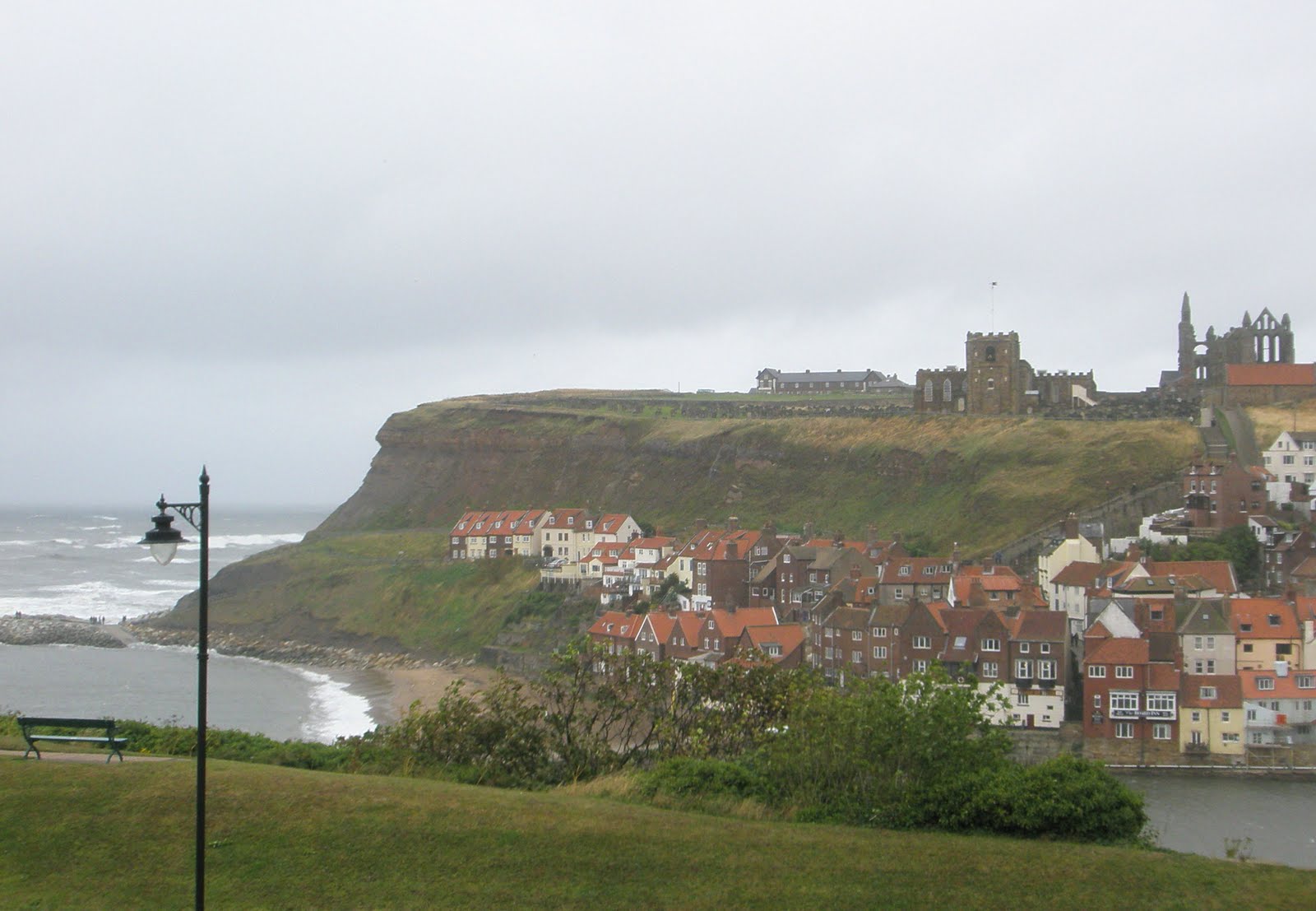
The modern Whitby still manages to maintain a romantic atmosphere, the ruined skeleton of its clifftop abbey (below bottom - destroyed by Vikings in 867) dramatically silhouetted high above the harbour. The East Cliff's atmospheric old cemetery and the historic, jagged-roofed fisherman's cottages underneath endow the restless shore with a sense of mystery, danger and a strange other worldliness (below top). 'Romanian gypsy' fortune-teller Lee Esther Alita Lee had set up shop along the main drag (below middle) and thankfully the usual seaside tackiness characteristic of most dreary British seaside towns was kept to a minimum. The old lady was charming, not tacky oirright?


Another of Whitby's many charms (apart from the replica of James Cook's ship Endeavour which almost brought up me breakfast - above) was this fantastic little fully functioning smokehouse (below). A real tourist crowdpleaser, the business still produced many a fine fishy product from authentically smoked fresh salmon to a divine kipper pate, as eaten by crusty old seadawgs. A local hefty chap spent his days shovelling sawdust onto the smokehouse fire, creating the thick black tar dripping from the walls like the devil's viscous oil and posing like a trained monkey for tourist photos and entranced children alike.


In tribute to the town's whaling heritage, Whitby also displayed its nautical history and power by fashioning a curious archway on top of the West Cliff from an enormous whale-bone jaw (below). The original structure was erected around those quaint pre-Greenpeace/Peta times of 1863, the current structure an Alaskan donation dating from 2003. This esoteric little statement again adds to the unique charm and ambience of this delightful seaside town and helps illustrate why Whitby attracted writers, artists and intrepid seafarers of the past as well as goths, folk festival hippies and all manner of tourists alike in the modern age.


Lastly, I just had to add this link for a classic 80s video for one of my dear, dear readers who is a HUGE Mick Hucknall fan (you know who you are...however I will refrain from publically shaming you, 'Ban-Ki Moon')!
The song is Simply Red's melancholy 1986 dirge 'Holding Back the Years', the video shot in Whitby, featuring many scenes of the pretty harbour, abbey and cemetery, as well as a youthful cameo from old Primrose Hill caner Sadie Frost. Enjoy, 'Ban-Ki'...


Sunday, 1 August 2010

THE SCOUSE TRIUMVIRATE...STRIPPING SHOPPING SHAGGING


Liverpool, sweet Liverpool...so much mythology so little time. How could four cheeky moptops (pull me finger Paul!) mean so much to so many? And how many of those people leave this fair city disappointed that 'Ferry Cross the Mersey' will never sound so charmingly whimsical again?

The first thing I noticed about Liverpool was how underwhelming the Mathew Street Beatles area was (the original Cavern Club no longer exists), the second being the alarming number of strip clubs. There seemed to be fifteen or more in the space of a few streets, one piss-filled alley literally wall to wall with salubrious establishments. The wittily monikered Moll Teazers (left) was particularly enterprising, managing to combine the cheap sleaziness of the sex industry with a nostalgic Beatles tip at the Eleanor Rigby hotel. I wondered what the Wives And Girlfriends did as their pissed up menfolk shoved sweaty, coke-rimmed fivers down the tooth-floss of their high school classmates (or are they Romanian sex-slaves)?  Then I noticed 'free bubbly for the ladies' at the Thursday Ladies Night (below) at tacky antipodean venue Walkabout. Mystery solved! Not too sure if it was a great victory for feminism or merely the lowest common denominator form of Liverpudlian entertainment - not only 'normal' but presumably 'fun' and 'harmless' as well.

Liverpool's city walls were dotted with gigantic, bewildering messages of doom painted sky high on the sides of decrepit buildings. Asking dystopian, cryptic questions like Do You Care? or the brilliant Do You Want To Die Old And Slow Or Young And Tragic? (right), this public probing was giving rise to a creeping sense of existential unease until I turned a corner to be confronted by a massive Do You Believe In God??? Phew, I thought, just the crazy musings of a bunch of northern religious zealots then...I thought the religion here was shopping? 

After sampling the delights of the seagull shat-upon city centre I decided to cut my losses and head straight for the fabulous Albert Dock area (above), centre of Liverpool's important trading, storage and migration history. This part of town (its touristy redevelopment obvious) very pleasantly contrasted the depressed centre - featuring all the chattering class' favourites including waterfront pubs, organic cafes and of course the Liverpool branch of the Tate Gallery (below). I visited the excellent Museum of Slavery instead however, wanting my museum experience to be more intrinsic to the Liverpool area and its history than what Picasso could offer. The museum charted the history of the international slave trade from the African and Atlantic coasts, outlining the enormous  socio-economic effects the industry had and its shaping of modern world. Certainly an illuminating and educational experience. 


Unfortunately, the famous Mersey ferry didn't quite measure up to the swinging 60s anglophile imaginings I conjured up whenever I heard Gerry and the Pacemaker's evocative tune. The Mersey itself was a muddy light brown, made even less appealing by the huge waterfront exhaust building crudely pumping out Liverpool's grime up the chattering class' and tourists noses alike (not to mention the local commuters' twice daily dose). The ferry seemed to be full of local oldies, chavtastic families and a smattering of young hipsters (below - where did they come from?)...all enjoying the afternoon sun whilst holding their noses. A great day for a day trip Liverpool...but I'd save the ferry ride for Manly or Staten Island.


Wednesday, 28 July 2010

MANCHESTER...SO MUCH TO ANSWER FOR


I finally made the trek into the 'grim' north of England last weekend and the city of Manchester did not disappoint. Making the trip to document the Ghosts of Madchester Past as well as the archaic skeletal structures of the industrial revolution, Manchester's atmosphere was unpretentious and the converted warehouses throughout the inner city gave the area a touch of New York ambience. The impressive remains of these factories and warehouses from the city's rich 19th century manufacturing heritage (below) provide many a modern Mancunian with a hip living/work space (below right).
The Museum of Science and Industry provided an excellent overview of the city's industrial history, including an enormous warehouse filled with engines (below), textile manufacturing and aviation buildings in addition to exhibits charting the development of gas, electricity and nuclear power. An enlightening experience indeed spending half a day at this wonderful museum.


Of course there was no way I was visiting Sir Steven Patrick Morrissey's hometown without taking a sniff around the local Madchester sites - starting with legendary Factory records-owned Hacienda 'nitespot' which now houses rather dull-looking apartments (below). While aesthetically the building retains no trace of the 80s/90s superclub (apart from the name), I did manage to find a small piece of Shaun Ryder's brain on the footpath outside.

I stopped for a snifter in the creative Northern Quarter of town - at Oldham Street's Dry Bar (pictured below) - originally owned by Tony Wilson and still displaying the sharp graphic yellow style and unique catalogue number characteristic of much of Factory record's sleeve and advertising design. The bar's interior felt a little shabby and outdated, nevertheless the venue seems to be a Manchester music institution not least of all because both Shaun Ryder and Liam Gallagher are alleged to have been barred from the establishment.  


Due to utter incompetence and total disorganisation I managed to miss the infamous Salford Lads Club featured inside the Smiths' The Queen Is Dead album, a truly lacklustre performance on my behalf. I did however, hunt high and low for the iconic Strangeways traffic sign (below top) featured on the band's final studio album Strangeways, Here We Come...but all I could manage to locate was this post-modern and somewhat charmless version (below bottom). Moz would have been outraged.


Finally, I travelled on the winding Eccles tram out to Salford Quays, the regenerated docks area of western Manchester. The brilliant Lowry arts complex (right) is the area's main attraction - named after the artist L. S. Lowry who was noted for naive paintings of  workers and urban scenes of the city's industrial districts. Lowry remained a bachelor and loner throughout his life, producing a prolific artistic output documenting Northern industrial & coastal landscapes whilst holding down a straight job as a rent collector at the Pall Mall Property Company.
Further relics of Manchester's industrial past were evident in the Salford Quays area including these impressive rusty twin cranes, lording it over the canals with a certain iconic and charming authenticity.


Lastly, not forgetting this eccentric local chap, out for a pleasant ride in the Castlefield historic area in his natty Sunday best...