Showing posts with label country houses. Show all posts

Sunday, 27 February 2011

WHOLE LOTTA HOVE

I had another opportunity yesterday to admire the beautiful Victorian curves of Brighton station (below) on the way to visit my dear, dear friend, artist Mrs Gillian Trundle-Hepplewhite.


Gillian lives in the grandiose Palmeira Square area of Hove, in a lovely art deco inspired flat with her original Northern Soul hipster and builder husband John. Goldsmiths alumni Gillian agreed to give me a crash course in screen printing, but not before I took the grand tour of their amazing living space full of exotic wares she had accumulated over the years...


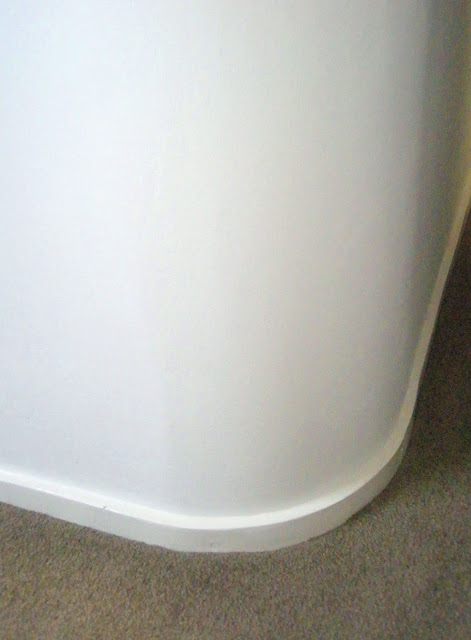
Along with the stylish accessories like the vintage Mickey Mouse and beautiful modernist carved bust above, Gill and John's house was full of hip period detail like the elegant curved wall and neutral-toned, minimalist, marblised shower below.


The upper levels of the property contained a number of skylights, the master bedroom featuring an enchanting view towards the pretty St. John the Baptist Church perched on the Western end of the regency-era Palmeira Square (below). Gill's flat sits in a brilliant location, the beautiful church up the northern end of her street, while Hove's lovely seafront lies at the southern end, a matter of a few minutes walk away. 


Gill and John's outdoor space included this beautiful solid vintage sun dial below and other small but perfectly formed accessories.


Gill showed me some fine examples of her screen printing work, inspired by John's northern soul roots and his enormous vinyl collection which runs into the many hundreds. The stark, detailed print below is a post-modern tribute to the music obsessive and a nice interpretation of the numerous nights spent under the Hepplewhite roof way past midnight with the turntables turned up to 11... 


Gill's other obsession is the retro graphics and art deco aesthetics so integral to the city of Miami and the Florida Keys area. The influence is clear in pretty, stylised prints like this hip one below.


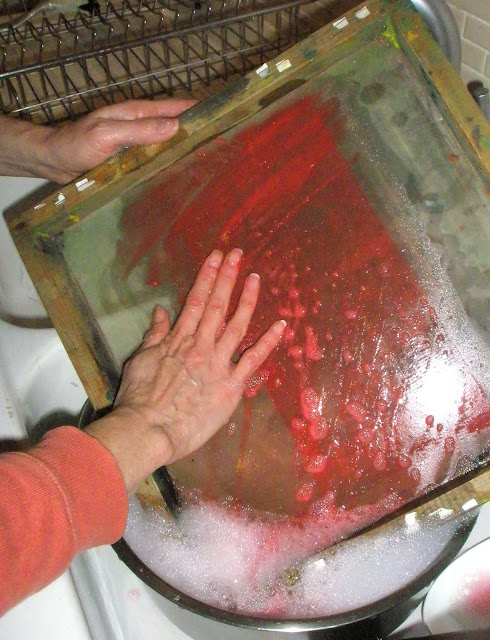
We finally got down to brass tacks with a run-through of the basics of screen printing a simple stencil. Gill let me down gently by informing me that the crappy vintage silk screen frame I had picked up at a garage sale in Australia for $8 wasn't up to the job...however my squeegee was the business so all was not lost. We did a few simple prints - featuring a crude rendering of Gill's favourite symbol - and viola!...a few very, I mean VERY rough images emerged. Luckily Gill was still smiling despite that crimson paint threatening to go all over her beautiful new kitchen fittings.


After all that hard work, it was off for a twilight stroll around Hove's grand Palmeira Square. The descending sun created a beautiful sunset over the wooden beach huts as the square gradually illuminated with cosy, warm hues eminating from luxurious lounge and dining rooms. The grand, spacious flats seemed to be full of idiosyncratic furnishings and characterful charm, the rainy pavements reflecting a magical, opulent ambience. Not a single stick of Brighton Rock to be seen...gotta love Hove.


Friday, 22 October 2010

PART 2 OF A RIDICULOUSLY LONG POST ABOUT THE ISLE OF WIGHT...WEST COAST

The Isle of Wight's beautiful west coast has the natural benefit of slow, dreamy sunsets descending gradually across the horizon and a more gentile, sophisticated appearance than some of the chavvier eastside towns (not mentioning any names, Sandown). The island's westerly tip features a dramatic coastal walk from the village of Freshwater ascending a gentle green hill, alongside stunning alabaster-white cliffs. A healthy batch of Super Furry Animals populated the hillside, delightfully placid toward the constant stream of huffing n puffing ramblers and fatwacs* invading their peaceful home (below).   


Upon the crest of the hill stood an imposing Celtic cross - an 1897 monument to Poet Laureate Lord Alfred Tennyson who made the island his home in 1853, until his death in 1892. This beautiful cross (below) dominates the landscape, an ominous talisman warding off the evil lurking within the foreboding, smoke-coloured skies above. Eventually the heavens opened, the mini tempest rolling over the westerly Freshwater Bay as rapidly as it had arrived.


The pretty coastal walk continued along an increasingly narrow peninsula towards the stunning outcrop of rock formations known as The Needles (below). This beautiful vista appeared island-wide on heavy rotation  across all postcard shops and deservedly so. The view was truly divine, its pure white cliffs and aquamarine water seeming somehow more Aegean Sea than Rule Britannia... 


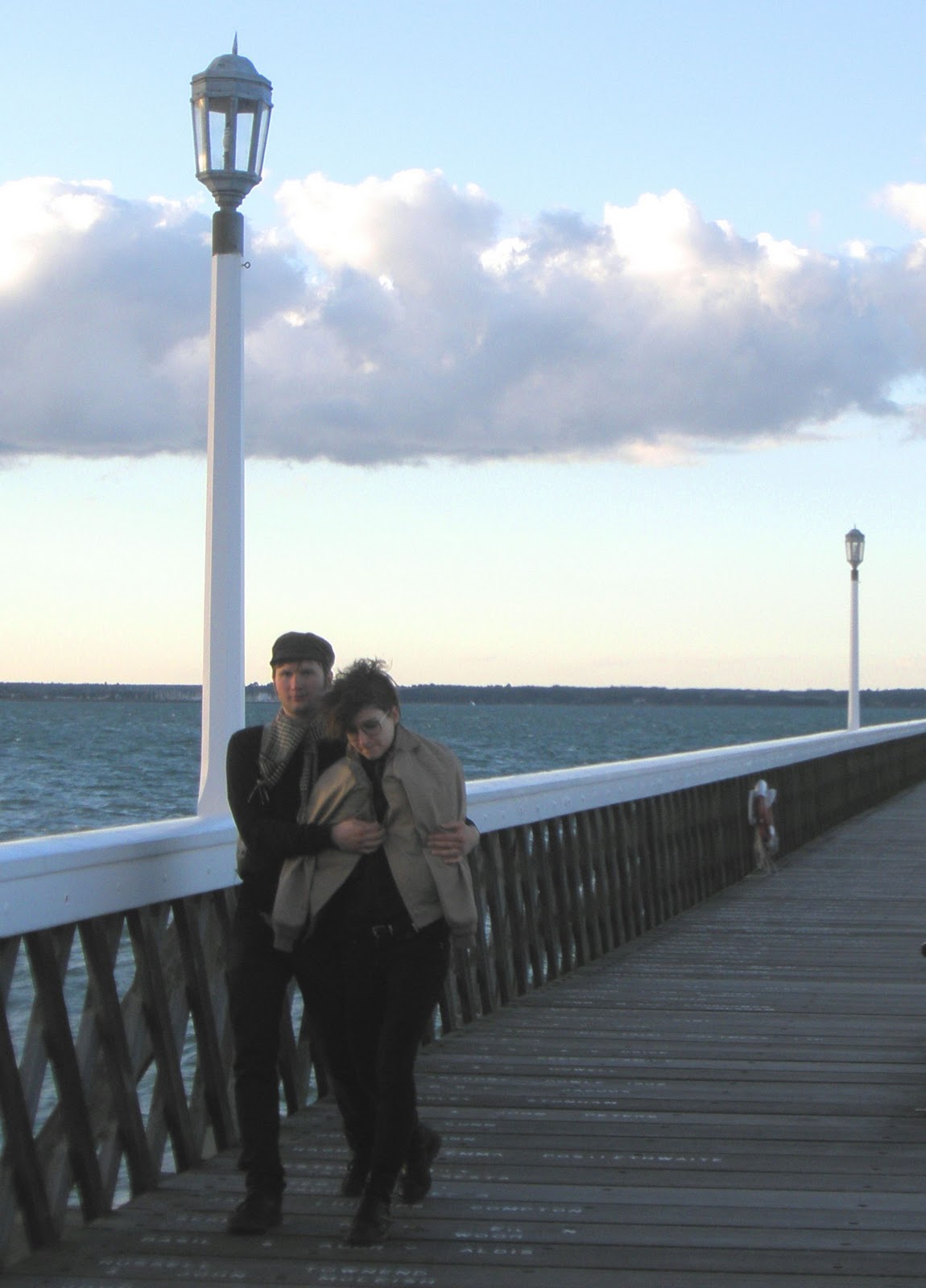
My jaunt around the Isle of Wight's westerly nether regions concluded with a browse around the petit bougeois harbour town of Yarmouth, the island's alternative ferry port to the fatherland. The seafront housed a rickety wooden pier, atmospheric under the dwindling pink dusk light and decorated with retro life-raft donuts (good enuff to eat! - below) and a handsome, post-ironic mod couple cuddling up against the breeze, showing off their minimalist, hipster, 21st century styling. Sartorialist...eat your heart out...(below bottom).


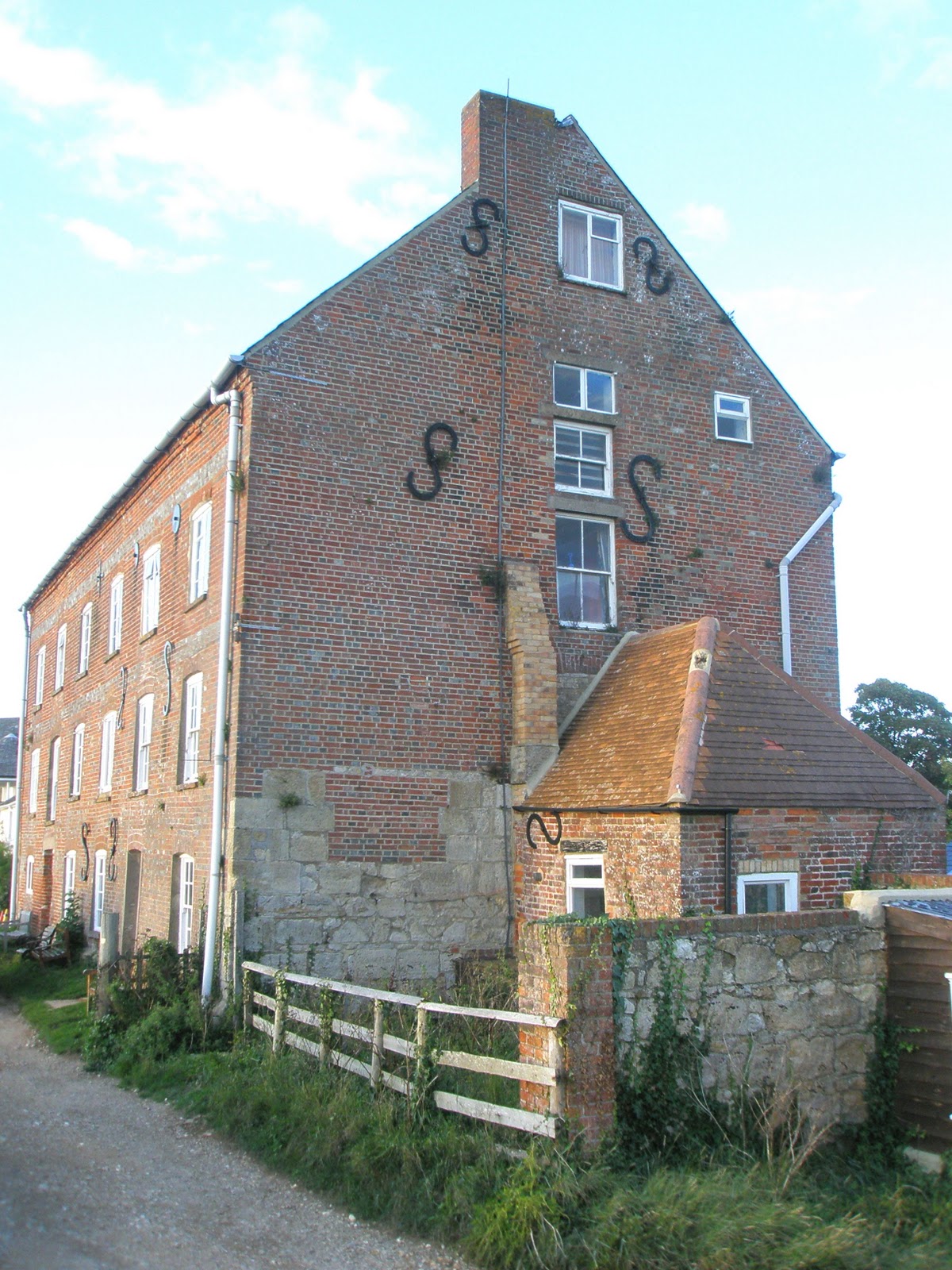
Like any pretty English village worth its salt, Yarmouth's sleepy main drag was populated with historic buildings and picturesque architecture. Cosy cottages bursting with colourful foliage, enormous barns converted into living quarters of extended bourgeois families and normal two up-two downs surrounded by fields drenched in afternoon sun (below) all contributed to the town's pleasant atmosphere. An Englishman's home is his castle, its just a shame he probably can't afford one here. Rah rah rah! We're going to smash the oiks!

A slow-burning sunset fading low over clattering yacht masts set the scene for my last glimpse of the charming Isle of Wight (bottom). The weather was great, the people welcoming and the beaches sandy...if you close your eyes you would almost believe you were not even standing on Old Albion's fine shores. Then you hear the familiar drone of a Vespa engine...and get the hell out of Sir Weller's way! Now...thats entertainment.  


* fatwac - Fat American Tourist With A Camera (c) The Artist Formerly Known As Jaybs 2007

Monday, 6 September 2010

LA ROSA VICTORIAN SEASIDE FUN

I wanted to do a separate post about my lovely boutique hotel in Whitby - La Rosa - as it was such a quirky, eccentric bolthole combining an intriguing historical pedigree (C.S. Lewis had stayed in my room) with decadent vintage interiors (below).


The La Rosa enterprise initially opened in 2004 with a vintage caravan site, enabling people to glam it up in charmingly retro caravans stuffed full of vintage wares, while endorsing a recycled, environmentally-friendly ethos. The campsite proved so popular two years in a row, it was impossible to book a summer pitch and I had to cut my losses and settle for the hotel experience instead. Which was, of course, fabulous.  


The two pictures above show the rickety old front drawing room, chock full of vintage finds harking back to the pre-war years and beyond. The focal point of this charming room was the huge dining table complete with delicious homemade sweetmeats...providing an atmospheric space for guests to indulge in a decadent afternoon tea whilst taking in the views over Whitby harbour towards the East Cliff. 


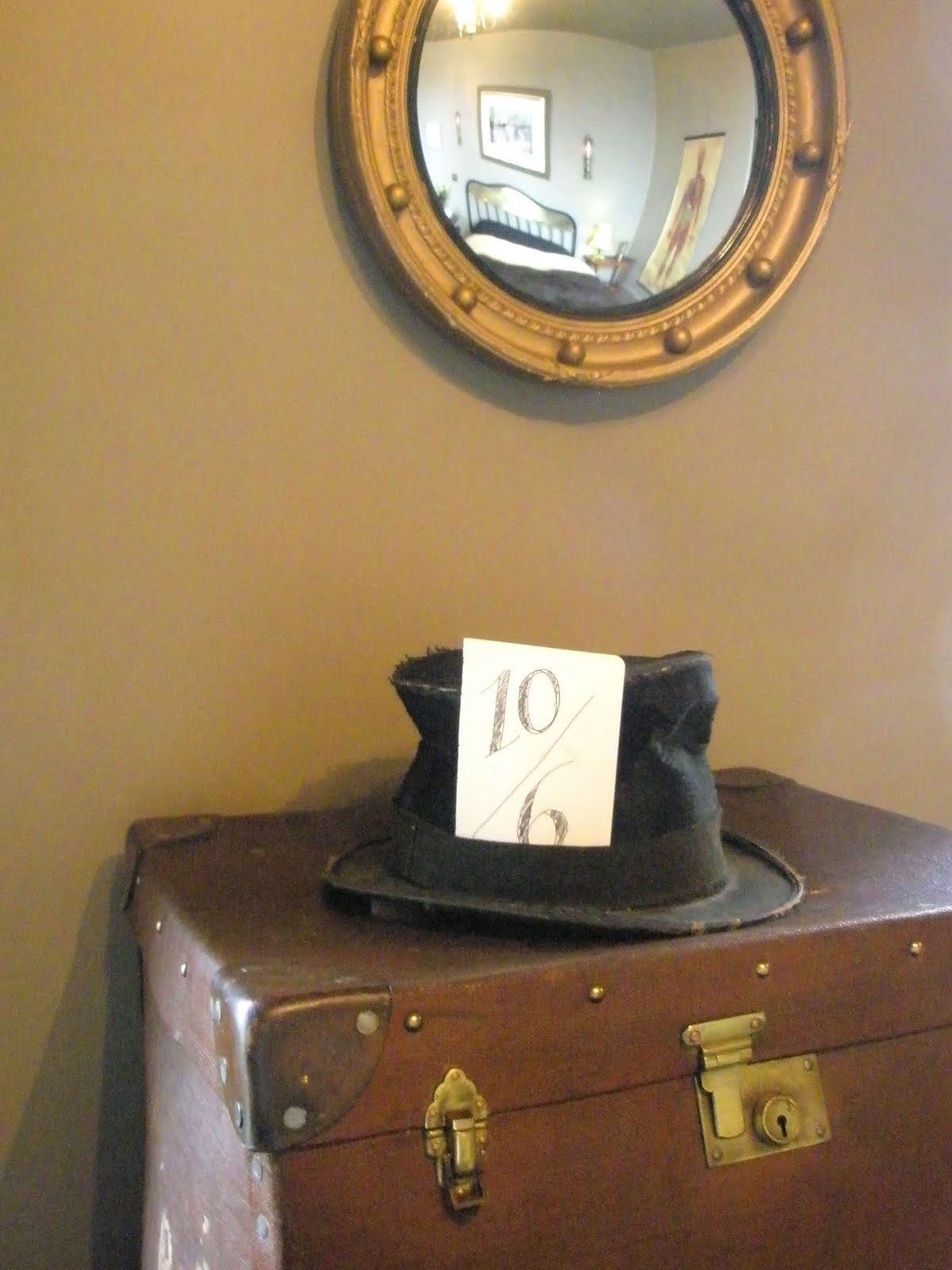
Above shows some random interior styling of the underground restaurant area of the hotel which was closed during my visit but I snuck down to take a few pics anyway. Below was my famous 'Lewis' room (based on an idea of what the author's study may have been like) - with stunning sea views, a working vintage telescope and loads of fantastic old scientific objects, like the ancient medical chart strung up on the wall. The bed was divinely cosy and the slightly eccentric boiled eggs and cheese scone breakfast delivered up to the door of a morning in a wicker basket provided an unusual touch. Each of La Rosa's eight rooms are decorated according to a different theme - the little glimpses I caught of some of the other rooms looking even more sumptuous than mine....


Friday, 14 May 2010

A RURAL IDYLL


Ever since I left my childhood home at 17 to make it in The Big Smoke, I've dreamt of returning to a rural idyll. I never truly appreciated how wonderful the region I spent my formative years in (pictured above) actually was until I moved away. Now that I live in one of the most crowded, polluted and expensive cities in the world, the fantasy of a rural escape seems ever more potent.

Of course England - that green and pleasant land - is packed with rural idylls. Beautiful countryside piles owned by the landed gentry surround quaint villages, oozing with intoxicating summertime charm. Luckily for the common volk many of these places are accessible, like Charleston in Sussex - country retreat of artists Vanessa Bell & Duncan Grant and their Bloomsbury Group friends. Apart from the succulent, overflowing gardens (below) and delicious ripe scent of the summertime air, Charleston's exotic between-the-wars interiors reflected the unconventional, bohemian lifestyles of its inhabitants. The estate includes the cosy little Room of One's Own where Vanessa's sister Virginia Woolf would write when visiting from Monk's House - her own impressive Sussex pile. On pilgrimage here, my sister and I did the decent thing and strolled out to the banks of the nearby River Ouse, downing a bottle of wine on the very spot the tortured Miss Woolf filled her pockets with stones and walked to her watery grave.


See more Charleston on the lush Endless Inspiration blog.

One of the most impressive rural idylls I have visited is Great Dixter - family estate of renowned gardener Christopher Lloyd and 'the epitome of English planstmanship'.

The imposing medieval hall dating from the 15th century is one of the largest surviving timber-framed structures in England. This comprises the grand centrepiece of Great Dixter's habitable rooms and maintains a warm, cosy atmosphere in spite of its formidable scale (see below). Furnished with all the creaky antique trappings befitting a grand manor house, the hall eminates centuries of muddy rural history and activity.

Great Dixter's gardens surround the entire house, affording divine views from almost any angle. Featuring explosions of vibrant colour and great masses of overflowing foliage, Christopher Lloyd's work was in the Arts and Crafts horticultural style, emphasising practicality rather than extensive design. Lloyd regularly opened the gardens to the public before his death in 2006 and this exuberant rural idyll is a testament to the man's lifelong green fingered passion and his dedication to nurturing his own living garden.


Image 4 courtesy of Google